What Are the Top Bedroom Sofas for 2026?

What Are the Top Bedroom Sofas for 2026? This question deserves more than a list of fashionable shapes. A bedroom sofa must support quiet reading, morning coffee, dressing, and occasional guests. It also needs to fit without making the room feel crowded. In 2026, the strongest Bedroom Sofas combine compact proportions, washable upholstery, supportive cushions, and flexible sleeping features. Comfort remains essential. Looks alone are not enough.

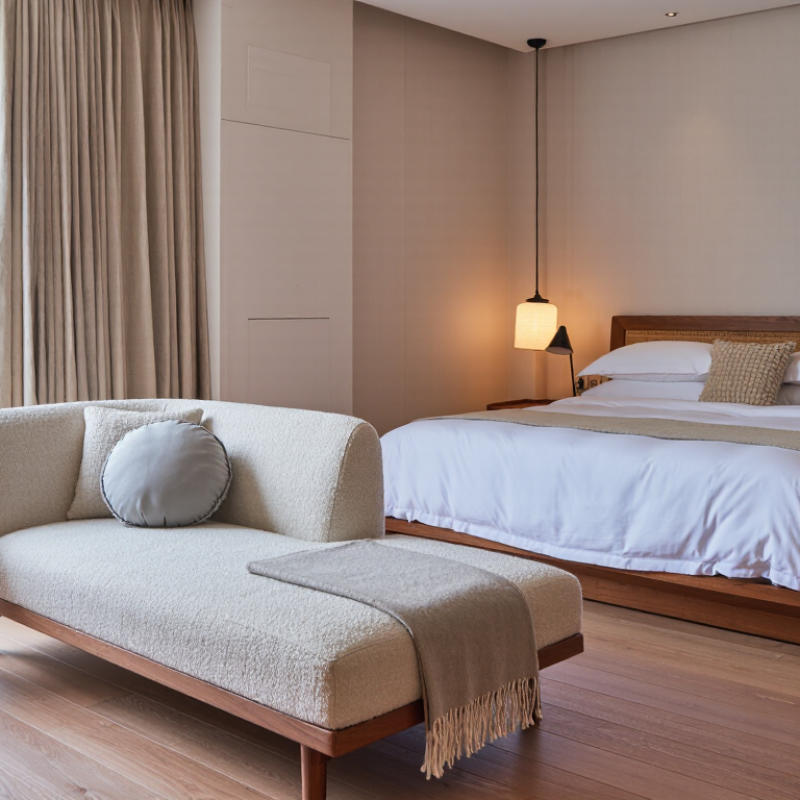
Interior designer Nate Berkus says, “Your home should tell the story of who you are and be a collection of what you love.” That idea matters in the bedroom. A low boucle sofa may create softness beside a walnut bed, while a tailored linen design may suit a calmer, hotel-like space. Buyers should inspect seat depth, frame construction, fabric ratings, and cushion recovery. A sofa that feels luxurious for five minutes may become uncomfortable after an hour.

Small details can reveal bigger problems. Measure doorways, elevator space, and the clearance around nightstands before ordering. Check whether the sleeper mechanism opens safely without striking furniture. Reviews help, but they are not perfect. One household’s “firm” cushion may feel hard to another person. Personal testing still matters.

This guide compares leading Bedroom Sofas for 2026 through practical use, material quality, maintenance, and visual balance. Some choices will impress immediately. Others may age better. The best option is not always the most expensive one. It is the sofa that fits the room, supports real routines, and remains comfortable after the novelty fades.
What Are the Top Bedroom Sofas for 2026?

What Defines a Top Bedroom Sofa in 2026?

A top bedroom sofa in 2026 should feel comfortable without overwhelming the room. In my experience, a depth between 32 and 38 inches supports relaxed sitting. It also leaves enough walking space beside the bed. Firm, layered cushioning usually performs better than very soft foam. Softness can feel luxurious at first. Then it may lose shape.

Material choice matters every night. Look for tightly woven upholstery, removable covers, and clear cleaning instructions. A bedroom sofa should handle pajamas, books, and occasional breakfast crumbs. Rounded edges reduce bumps in narrow spaces. A low frame can make the room feel larger. However, extremely low seating may frustrate older users or anyone with limited mobility.

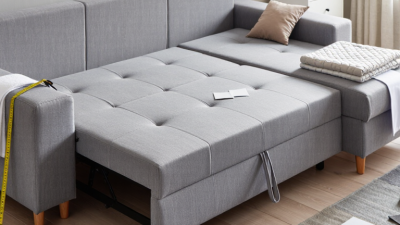
Function defines the strongest designs. A compact sleeper should open smoothly without scraping the floor. Measure the fully extended length before ordering. Check the mattress thickness, support structure, and ventilation beneath it. A reliable sofa also has stable legs, quiet hardware, and documented weight limits. Those details show careful engineering rather than decorative styling.

I would not choose appearance alone. A beautiful sofa with weak support becomes expensive clutter. I once underestimated door clearance, and delivery became unnecessarily difficult. That mistake still influences my measurements. In 2026, the best bedroom sofa balances comfort, honest specifications, easy maintenance, and realistic room planning. Yet personal comfort remains subjective, so sitting for ten minutes is wiser than trusting photographs.

Which Bedroom Sofa Styles Best Suit Different Spaces?

What Are the Top Bedroom Sofas for 2026?

The best bedroom sofa depends on the room’s shape, traffic, and sleeping habits. A compact loveseat suits a narrow bedroom with about 30 inches of walking space. In a larger room, a low-profile two-seater can sit beneath a window without blocking daylight. Houzz’s 2024 Houzz & Home Study found that 54% of surveyed homeowners completed improvement projects in 2023. That activity suggests more people are refining secondary spaces, not only living rooms.

For small bedrooms, choose armless seating with a shallow frame. It creates a lighter visual line beside a wardrobe or dressing table. A storage bench works well at the bed’s foot. It hides blankets and keeps the floor clearer. Corner bedrooms can benefit from a compact chaise, but measure door swings carefully. I once underestimated that detail. The sofa looked perfect, yet the drawer could not open fully.

Large bedrooms allow deeper lounge sofas, curved silhouettes, or a small modular arrangement. Keep seat depth near 22 inches for upright reading. Softer, deeper cushions feel inviting, though they may encourage clutter. Upholstery deserves equal attention. The U.S. Environmental Protection Agency reports that indoor pollutant levels can be two to five times higher than outdoors. Select low-emission materials and ventilate new furniture before regular use. Performance fabric is practical, but it is not automatically healthier. Check product documentation, certifications, and cleaning instructions before buying.

How to Compare Comfort, Size, Materials, and Functionality

For 2026, the top bedroom sofas balance comfort, practical sizing, durable materials, and useful functions. Comfort starts with seat depth, cushion support, and back angle. Sit for at least ten minutes. A sofa may feel soft initially, yet lose support during longer reading sessions. Medium-firm foam usually offers steadier support than overly plush filling. If you choose a sleeper model, test both sitting and sleeping positions.

Size deserves equal attention. Measure the bedroom, doorway, elevator, and available wall space before ordering. Leave enough clearance for drawers, wardrobes, and walking paths. A compact two-seat sofa can suit smaller rooms, while a wider chaise may overwhelm the space. Check the sofa’s full depth when opened. This detail is often missed.

Materials affect comfort and maintenance. Breathable woven fabric feels pleasant in warm rooms, while tightly covered performance fabric may resist everyday stains. Leather-like surfaces wipe clean but can feel cool against bare skin. Inspect seams, cushion zippers, and frame construction. Reliable sellers should provide care instructions, material details, and tested weight ratings. Functionality also matters. Choose storage, a reversible chaise, adjustable backs, or a smooth sleeper mechanism based on your routine. My own comparison would not ignore appearance, but appearance can mislead. One elegant sofa may offer poor lumbar support. That mistake changed how I judge bedroom furniture.

What Are the Top Bedroom Sofas for 2026?

Comparing typical bedroom sofa formats by practical size and everyday functionality.

The figures show representative midpoints from commonly published furniture specifications rather than brand-specific products. Compact loveseat sleepers save floor space, while full-size and chaise sleepers provide wider sleeping areas. Sofa-bed formats generally offer seating and sleeping functions, with some designs adding under-seat storage.

What Features Improve Sleep Areas and Everyday Use?

Top bedroom sofas for 2026 should support sleep and ordinary routines equally well. A practical choice needs a flat sleeping surface, stable center support, and a mechanism that opens without scraping the floor. The American Academy of Sleep Medicine recommends at least seven hours of sleep for adults. Therefore, a thin, uneven sofa mattress deserves skepticism. A 10–12 centimetre high-density sleep surface can reduce pressure points, although comfort still depends on body weight and sleeping position.

Check the details closely. A seat height near 45 centimetres makes standing easier, especially beside a low bed. Firm cushions, washable covers, and rounded edges improve daily use. Built-in storage can hold blankets, but poor ventilation may trap moisture. Look for airflow beneath the cushions and materials with low chemical emissions. The U.S. Environmental Protection Agency links indoor pollutants with respiratory irritation, so ventilation matters in compact bedrooms. Small rooms need it most.

Noise is often overlooked. Test the opening mechanism at night. It should move quietly and lock securely. Sleep Foundation guidance also stresses darkness, quiet, and comfortable temperature, so a sofa should not block curtains or heating vents. I would avoid choosing only by appearance. That mistake is easy. Some attractive models feel supportive for ten minutes, then tiring after an hour. The better test is simple: sit, lie flat, open it fully, and measure the remaining walking space.

What Are the Top Bedroom Sofas for 2026? - What Features Improve Sleep Areas and Everyday Use?

Bedroom Sofa Type Typical Size Sleeping Surface Sleep-Support Features Everyday-Use Features Storage Capacity Ideal Bedroom Setting Overall Usefulness
Compact Sofa Bed
Two-seat design with a fold-out or pull-out mattress
Width: 150–190 cm
Depth: 85–100 cm
Height: 80–95 cm
Approximately 120–140 × 185–200 cm when opened Flat sleeping surface Medium-firm support Low-motion frame Easy conversion, upright back support, compact footprint, and removable cushion covers Usually limited; some models include a shallow bedding compartment Small bedrooms, guest rooms, studio apartments, and multipurpose rooms ★★★★☆
Best balance of seating and occasional sleeping
Click-Clack Convertible Sofa
Backrest folds down to create a level sleeping platform
Width: 175–220 cm
Depth: 80–100 cm
Height: 75–95 cm
Approximately 110–140 × 180–200 cm when fully flat Nearly level surface Firm cushioning Minimal gaps Fast one-step conversion, adjustable backrest, and suitable for reading or lounging Rarely includes built-in storage; under-seat clearance varies Teen bedrooms, home offices, and rooms used for both work and guests ★★★★☆
Practical for frequent position changes
Daybed with Trundle
Sofa-style daybed with a second pull-out sleep surface
Width: 90–220 cm
Depth: 100–210 cm
Height: 70–100 cm
Usually supports one or two single mattresses, commonly 90 × 190 cm each Separate mattresses Stable platform Good airflow Functions as a sofa with back and side rails; trundle stores neatly underneath Excellent sleeping-space storage; the lower section stores a mattress rather than loose items Guest bedrooms, children’s rooms, and narrow rooms needing two beds ★★★★★
Best for flexible guest accommodation
Chaise Lounge Sofa
Extended seat designed for reclining, reading, and relaxing
Width: 150–230 cm
Depth: 75–170 cm
Height: 75–95 cm
Not usually a full bed; usable lounging length is commonly 160–200 cm Contoured support Padded armrest Reclined posture Excellent for reading, dressing, relaxing, and short rests without conversion Some designs include a lift-up seat compartment Primary bedrooms, dressing areas, window corners, and reading spaces ★★★☆☆
Best for daytime comfort rather than overnight sleep
Modular Bedroom Sofa
Reconfigurable sections that can form a sofa, corner seat, or lounger
Width: 180–300 cm
Depth: 85–220 cm
Height: 75–95 cm
Depends on the configuration; commonly 120–160 × 190–220 cm as a lounge platform Adaptable layout Dense foam options Supportive base Sections can be rearranged, expanded, or separated for seating and lounging Many configurations provide hidden compartments beneath removable sections Large primary bedrooms, lofts, family bedrooms, and open-plan interiors ★★★★☆
Best for changing room layouts and multiple users
Wall-Hugger Sleeper Sofa
Sleeper mechanism designed to open with limited clearance from the wall
Width: 170–230 cm
Depth: 90–105 cm
Height: 85–100 cm
Approximately 120–150 × 185–200 cm when opened Reduced wall clearance Supportive mattress Reinforced frame Saves floor space, includes broad seating, and reduces the need to move the sofa during conversion Often includes an internal bedding compartment beneath the seat Compact bedrooms where the sofa must remain close to a wall ★★★★☆
Best for efficient use of limited floor area
Storage Bench Sofa
Compact upholstered bench with a supportive back or removable cushions
Width: 100–180 cm
Depth: 45–75 cm
Height: 70–95 cm
Not designed as a full sleeping surface; suitable for short seated rests Firm seat Stable base Easy-clean upholstery Useful at the foot of a bed, beside a dressing table, or under a window Good capacity for blankets, pillows, seasonal clothing, or accessories Small bedrooms needing extra organization without a full sofa bed ★★★☆☆
Best for storage and occasional seating
Armless Loveseat Sleeper
Narrow two-person sofa that converts into a compact bed
Width: 130–175 cm
Depth: 80–100 cm
Height: 75–95 cm
Approximately 100–125 × 180–195 cm when opened Space-saving width Even cushion alignment Medium-firm surface Light visual profile, flexible placement, and easy access from both sides Usually minimal; some versions have a lift-up seat or rear compartment Very small bedrooms, apartments, and guest rooms with limited circulation space ★★★★☆
Best for compact rooms and occasional visitors

Dimensions are typical ranges for adult bedroom sofas and sofa beds. Actual sizes, mattress thickness, weight limits, storage volume, and comfort depend on the construction, upholstery, frame, and mattress materials selected.

How to Choose and Maintain the Right Bedroom Sofa

A top bedroom sofa for 2026 should fit your room, routine, and sleep habits.

Grand View Research valued the global home furniture market at about $220.46 billion in 2023. It also projects a 5.6% annual growth rate through 2030. That growth reflects demand for flexible, space-saving furniture.

Measure the wall, doorway, and walking clearance before shopping. Leave at least 24 inches for comfortable passage. I once ignored this step. The sofa looked perfect online, but blocked a wardrobe drawer.

Choose a firm frame, supportive seat, and fabric suited to daily use. A sleeper sofa needs a level mattress and an opening mechanism that feels smooth. Test it in person when possible. Sit for ten minutes. Notice pressure under your thighs. Check whether the back supports your shoulders.

The American Home Furnishings Alliance recommends reviewing construction details, including frame joints, cushion filling, and fabric performance. Do not trust appearance alone. It can mislead.

Maintenance keeps a bedroom sofa comfortable and cleaner.

Vacuum seams weekly, especially around the chaise and beneath loose cushions. Blot spills immediately with a dry cloth. Avoid soaking upholstery. Follow the care label, and test cleaners on hidden fabric first.

The U.S. Environmental Protection Agency links indoor dust management with routine cleaning and ventilation. Open a window when practical. Rotate removable cushions monthly to reduce uneven wear.

Some cushions still flatten. That is normal, not failure. Replace damaged hardware promptly, because a small loose hinge can become an irritating nightly problem.