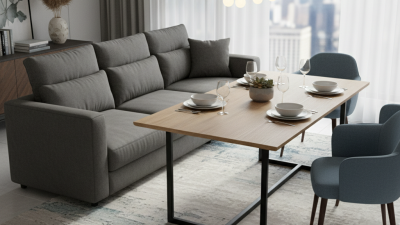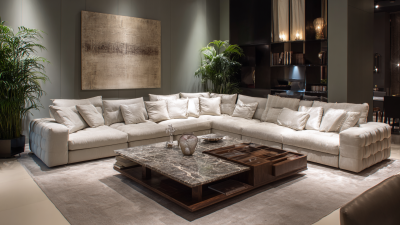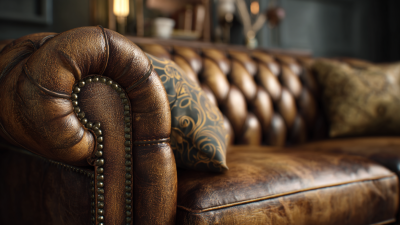
A dining area has to work through ordinary, repeated moments: weekday breakfasts, long conversations, and chairs scraping across the floor. Dining Sofas can make these moments feel more relaxed while adding useful seating, but the right choice depends on the room and household. A deep, plush seat may look inviting, yet leave too little space for diners to pull out a table chair.
Spending reports offer context, not a shopping formula. Grand View Research estimated the global furniture market at $747.72 billion in 2023, reflecting a large and varied industry rather than proof that any one style is best. Houzz’s 2024 U.S. Houzz & Home Study reported a median home renovation spend of $24,000 in 2023 among surveyed renovating homeowners. These figures underline why it helps to assess a sofa as part of the whole room, not as an isolated purchase. Comfort matters.
This guide looks at practical decision points: dimensions, seat height, upholstery, support, cleaning, and the relationship between sofa and dining table. Measure the wall, table edge, and walking route; then check the maker’s specifications and care instructions. Fabric samples can reveal texture and color, but they cannot fully predict years of wear. No checklist gets every detail right. Still, comparing real measurements with daily habits makes a more dependable choice than buying from appearance alone.
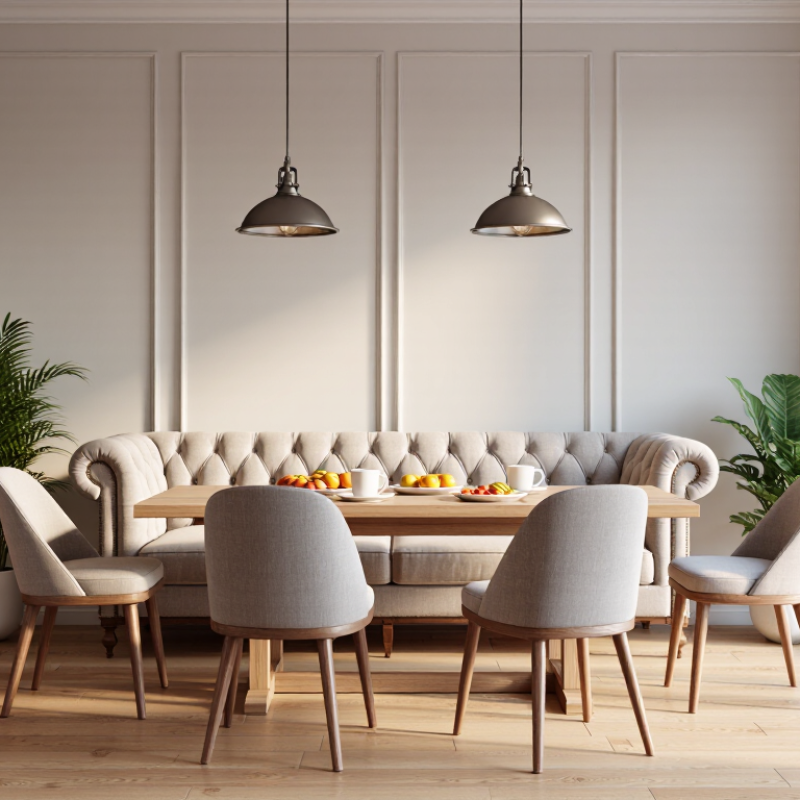
A dining sofa can make a room feel relaxed, but only if it fits the space. Measure the wall, table, and available walkway before shopping. Leave enough room to pull out chairs and pass behind seated guests; around 36 inches is a useful target where the layout allows. Measure twice. A deep sofa may look inviting in a showroom, then crowd a narrow dining area at home.
Think about who will use it and how often. For everyday family meals, choose supportive seat height and upholstery that can handle crumbs and regular cleaning. Check that the sofa’s seat height works with your table, and that people can sit down without squeezing past one another. If guests visit often, compare the sofa’s usable seating length with your usual group size. A corner style can add seats, but it may block circulation. I have seen attractive layouts feel awkward once everyone sits down.
Tips: Sketch the room and mark the sofa’s footprint with masking tape. Sit on a similar-height seat at your table if possible. Notice where elbows land and whether knees fit. Small details matter. And be honest about your habits: a pale, textured fabric may need more care than you expect.
Use these common planning targets to check whether your dining area can comfortably fit a sofa and allow people to sit, stand, and move around.
Allow about 12 inches between the table edge and the seat front as a starting point; 18 inches gives more legroom. Plan for roughly 24 inches behind a seat where no one needs to pass, and about 36 inches for a comfortable walkway. These are practical guidelines, not fixed rules—check your sofa’s actual dimensions and your household’s needs.
Measure the room before choosing a dining sofa, including alcoves, radiators, door swings, and the path to the kitchen. Note the table’s length and width, then mark the sofa’s full footprint on the floor with removable tape. Include its back and arms, not just the seat. A sofa can look compact in a showroom and feel bulky beside a narrow walkway.
Leave roughly 90 centimetres behind the sofa where people need to pass, and check that diners can pull chairs out comfortably across the table. In tighter rooms, test the taped layout while opening doors and walking through with a tray. It is a simple check. Still, it can reveal awkward bottlenecks a floor plan misses. Measure seat height against the table, too; a difference of a few centimetres can make meals uncomfortable. Allow space for an extendable table leaf if you use one. The layout may look neat on paper, but everyday movement matters more. Recheck your measurements before ordering, especially if the walls are uneven or the sofa has deep cushions.
A dining sofa faces different wear from a living-room sofa: repeated sitting, crumbs, and quick wipe-downs. Upholstery should suit your cleaning habits, not just the showroom lighting. The Association for Contract Textiles’ Upholstery Fabric Performance Guidelines set 15,000 Wyzenbeek double rubs as a general residential benchmark and 30,000 for heavy-duty use. Treat these figures as a comparison, not a lifespan guarantee; abrasion scores do not capture spills, seams, sunlight, or cleaning damage. Feel the fabric. Tightly woven performance polyester can be practical for busy meals, while textured weaves may trap crumbs.
Frame quality matters, too. Look for kiln-dried hardwood or well-made engineered wood, reinforced corners, and joints that feel firm rather than creaky. The USDA Forest Products Laboratory’s Wood Handbook explains that wood responds to changing moisture levels, so a stable frame and sound construction matter in rooms with seasonal humidity shifts. Ask how the frame is joined, and check underneath if possible. Small details matter.
For a dining nook, test the seat with your feet on the floor and elbows near the table. A deep, soft seat may feel inviting but can make meals awkward. Removable covers help, though repeated washing may affect fit or color. I would not choose by abrasion ratings alone; real-life durability depends on construction, care, and how the sofa is used.
A dining sofa should feel comfortable at the table, not just look inviting in a showroom. Measure the seat height with the cushions compressed; soft upholstery can lower your sitting position by an inch or more. As a practical starting point, compare the seat with your dining table and leave roughly 10–12 inches between the seat and tabletop. Then sit down and check that your feet rest comfortably and your knees clear the apron. Small detail. Big difference.
The U.S. Access Board’s ADA Standards for Accessible Design, section 902.3, specify a 28–34-inch height range for accessible dining and work surfaces. That range is a useful reference, not a guarantee that every dining sofa will fit every table. Bring your table measurements when shopping, or test a similar table height in the showroom. Sit for several minutes. Can you reach your plate without leaning forward? Do the sofa’s arms block the table edge? A deep, lounge-style seat may feel wonderful at first, yet make meals awkward. I would not judge comfort by a quick sit alone; table clearance is easy to overlook, and even careful measuring can miss how cushions settle over time.
How to Choose the Best Dining Sofas for Your Home?
A dining sofa should fit both your room and your daily routine. Start by measuring the table, walkway, and available wall space. Leave enough room to pull chairs out and pass behind seated guests. A compact two-seat sofa can suit a breakfast nook, while a longer bench-style design may work beside a family table. Match the upholstery and shape to your home’s style, but do not let appearance set the whole budget. Durable, easy-to-clean fabric may be worth paying more for, especially with children or frequent meals at home. Still, a higher price does not guarantee better comfort.
Tips: Set a firm budget before browsing. Check the sofa’s total width, seat depth, and fabric-care instructions. If possible, sit on a similar design before ordering. A few minutes can reveal more than a product photo.
Think about how the sofa will be used on an ordinary evening. Firm seats can make dining easier, while very soft cushions may feel awkward at the table. Removable covers are practical, though they can shift or wrinkle; that small annoyance matters in a busy household. If your room is narrow, choose a slim back and lighter visual profile. Measure twice. A sofa that looks perfect online may crowd the table once it arrives.